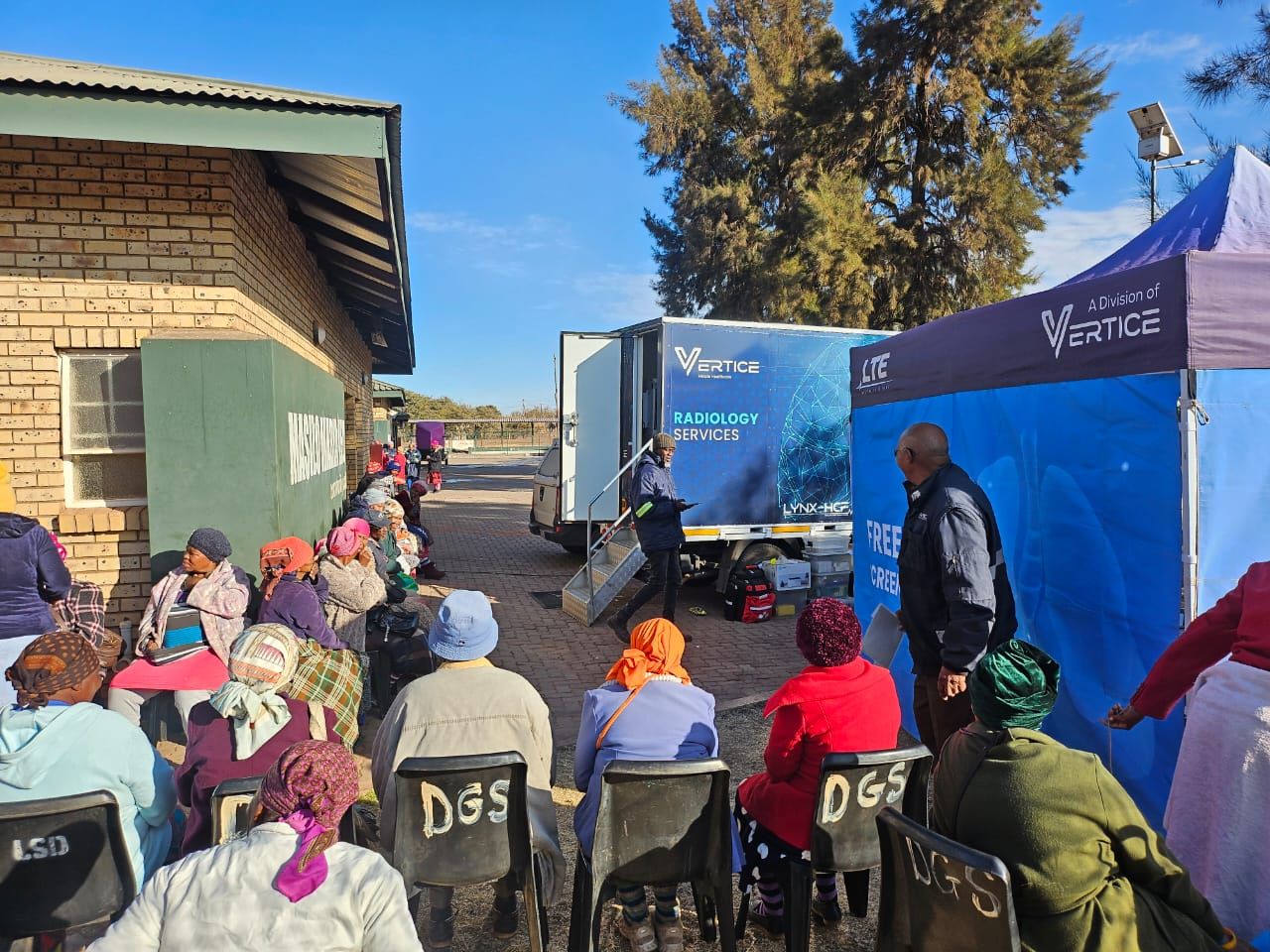
Since 2023, the Sishen Iron Ore Community Development Trust (SIOC-CDT) has supported an ongoing healthcare programme bringing integrated screening and primary healthcare services to underserved communities across two districts in the Northern Cape and additional communities in Limpopo. Supported through SIOC-CDT’s corporate social investment, the programme combines mobile clinics, healthcare professionals and digital technology to deliver daily screening services in rural and remote areas.
Vertice Mobile Health delivers the mobile healthcare services. Healthcare Framework (HCF) provides the clinical data management, referral and case management platform, while Nexus AI CXR supports AI-assisted chest X-ray screening within the TB and lung health service.
Programme reach since 2023
The challenge: access to healthcare and continuity of care
For people living in rural and remote communities, accessing healthcare can involve long journeys, transport costs and repeated visits for different services. These barriers can delay screening, further investigation and treatment. Community outreach brings services closer to people. However, its lasting value also depends on what happens after screening, whether results remain accessible, referrals are followed up and clients are connected to appropriate care. The SIOC-CDT programme addresses both needs by combining mobile service delivery with a shared electronic health record and structured referral and case management.
An integrated approach to community healthcare
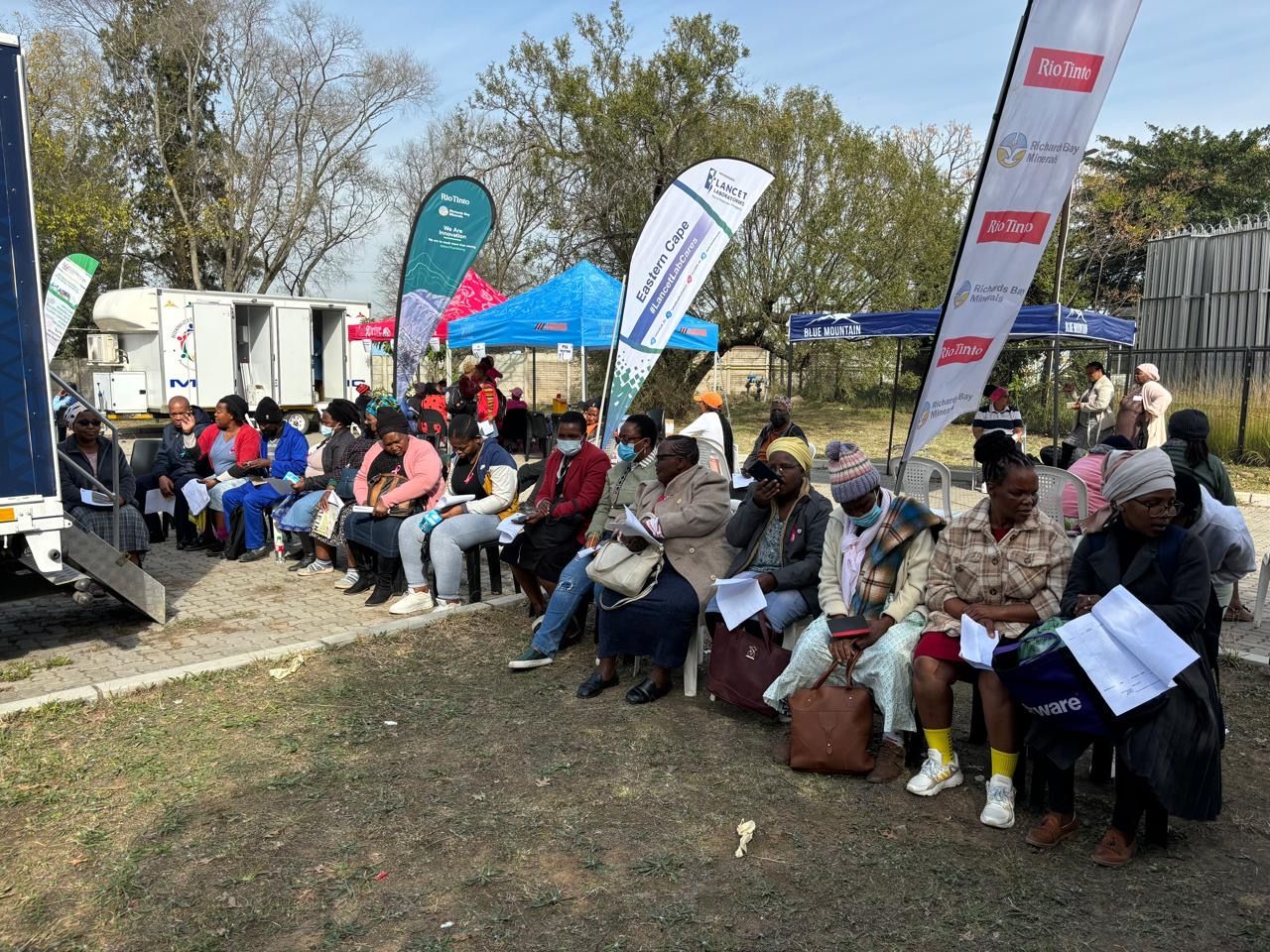
Mobile clinics and outreach teams work within communities and alongside healthcare facilities to provide services according to local needs and outreach schedules.
- → Primary healthcare and wellness. Clinical assessments and health risk screening, including blood pressure, blood glucose, body mass index and lifestyle risks.
- → HIV screening. Screening, testing and counselling, supported by referral and follow-up for clients requiring further care.
- → TB and lung health. Symptom and risk assessment, chest X-ray screening, AI-assisted image assessment and referral for further investigation where indicated.
- → School health. Selected outreach programmes assessing children’s health needs and identifying concerns requiring further assessment or referral.
- → Women’s health. Breast and cervical cancer screening, with referral and follow-up for women requiring further investigation.
Delivering these services through one programme allows teams to address several health needs during an outreach visit, with findings recorded in a connected patient record.
Where Nexus AI CXR fits
Within the TB and lung health service, chest X-rays taken at the outreach site are inferenced by Nexus AI CXR, which indicates any findings that are not consistent with a normal lung field, including findings suggestive of tuberculosis. The result is available in under 45 seconds, on site and without an internet connection, so the outreach team can identify the clients who need further investigation while they are still at the site.
The AI result is not a standalone diagnosis. It supports prioritisation and the clinical team’s decision on further investigation, and it stays linked to the client’s record so that any chest X-ray, radiologist or laboratory result that follows sits alongside it. Nexus AI CXR is a CE MDR Class IIb certified medical device.
One patient record across services and visits
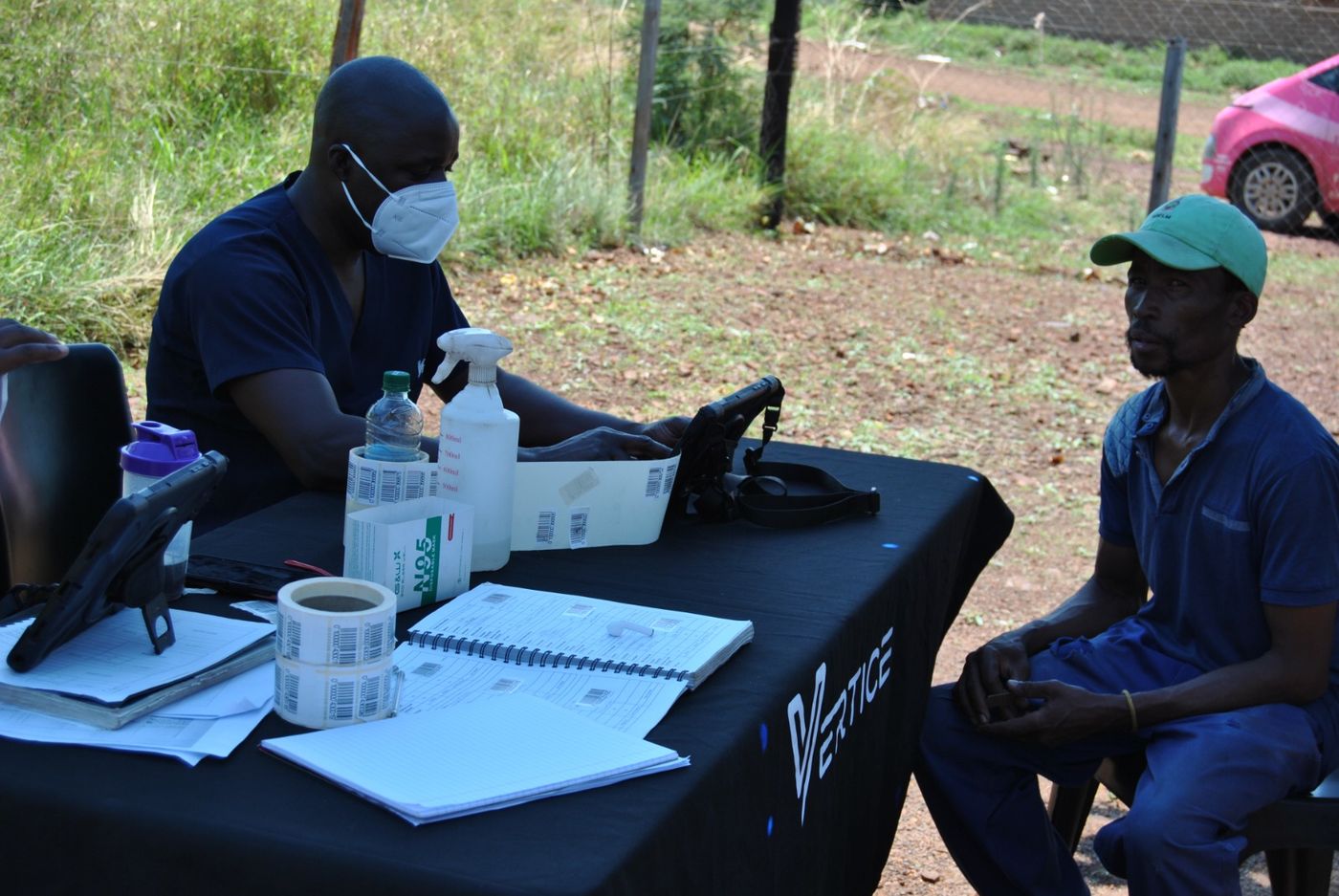
HCF provides the clinical information platform supporting the programme, from initial registration through screening, referral and follow-up. Each client’s assessments and subsequent visits are linked to a single electronic health record. This brings together information across wellness, HIV, TB and lung health, school health and women’s health services, helping teams maintain a continuing view of the client’s healthcare needs.
- → Digital registration. Client details and subsequent encounters linked to an existing patient record.
- → Structured clinical assessments. Care plans supporting consistent capture of screening findings and clinical information.
- → Connected results. Available chest X-ray, AI, radiologist and laboratory results accessible within the clinical workflow.
- → Referral management. Referral documentation and identification of clients requiring further assessment.
- → Case management. Tracking outstanding results, follow-up actions and recorded treatment information.
- → Programme reporting. Consolidated information across participating teams, services and locations.
The impact on communities
- → Reaching people closer to home. More than 50 000 people have accessed wellness, HIV and TB screening through the programme since 2023. Mobile clinics bring services into rural and remote areas, helping address geographical and transport barriers to screening.
- → Supporting children’s health. More than 10 000 children have been screened through the school health programme. These activities create opportunities to identify health concerns and refer children for further assessment and support.
- → Expanding access to women’s cancer screening. More than 4 000 women have received breast and cervical cancer screening. Dedicated outreach brings these services closer to communities and provides a pathway for further investigation when concerns are identified.
Sustained support for rural healthcare
Active since 2023, the SIOC-CDT programme demonstrates how sustained corporate social investment can support ongoing access to integrated community healthcare. By bringing together Vertice Mobile Health’s clinical delivery, HCF’s electronic health records and case management, and Nexus AI-assisted chest X-ray screening, the programme connects community outreach with a continuing pathway to further assessment, referral and care.
Planning a community screening programme?
Tell us where the imaging happens and where the reporting capacity sits.
Request Demo →